Why Tagalog is the Key to Unlocking the Culture of Eastern Visayas
Understanding the Linguistic Landscape
The Eastern Visayas region of the Philippines is a place rich in culture and tradition. Although several languages are spoken here, Tagalog acts as a crucial bridge. It connects locals to the national culture while also providing a key to understanding the unique cultural tapestry of the region.

In Eastern Visayas, the primary languages are Waray-Waray, Cebuano, and Boholano. Yet, Tagalog serves as a common ground, enabling communication and cultural exchange. This linguistic connection is vital for fostering unity and understanding among the diverse communities.
The Role of Tagalog in Education and Media
Tagalog is prominently used in educational settings and media across the Philippines. In Eastern Visayas, schools often teach in Tagalog, ensuring that students have access to national resources and can participate in broader cultural dialogues. This education in Tagalog opens doors to opportunities beyond the local community.
Media also plays a significant role in disseminating Tagalog, from television shows to newspapers. These platforms help integrate national and local cultures, enriching the lives of those in Eastern Visayas.

Tagalog as a Tool for Cultural Preservation
While Tagalog connects Eastern Visayas to the rest of the Philippines, it also aids in preserving the region's unique culture. By providing a common language, Tagalog allows for the recording and sharing of local traditions and stories, ensuring they are not lost to time.
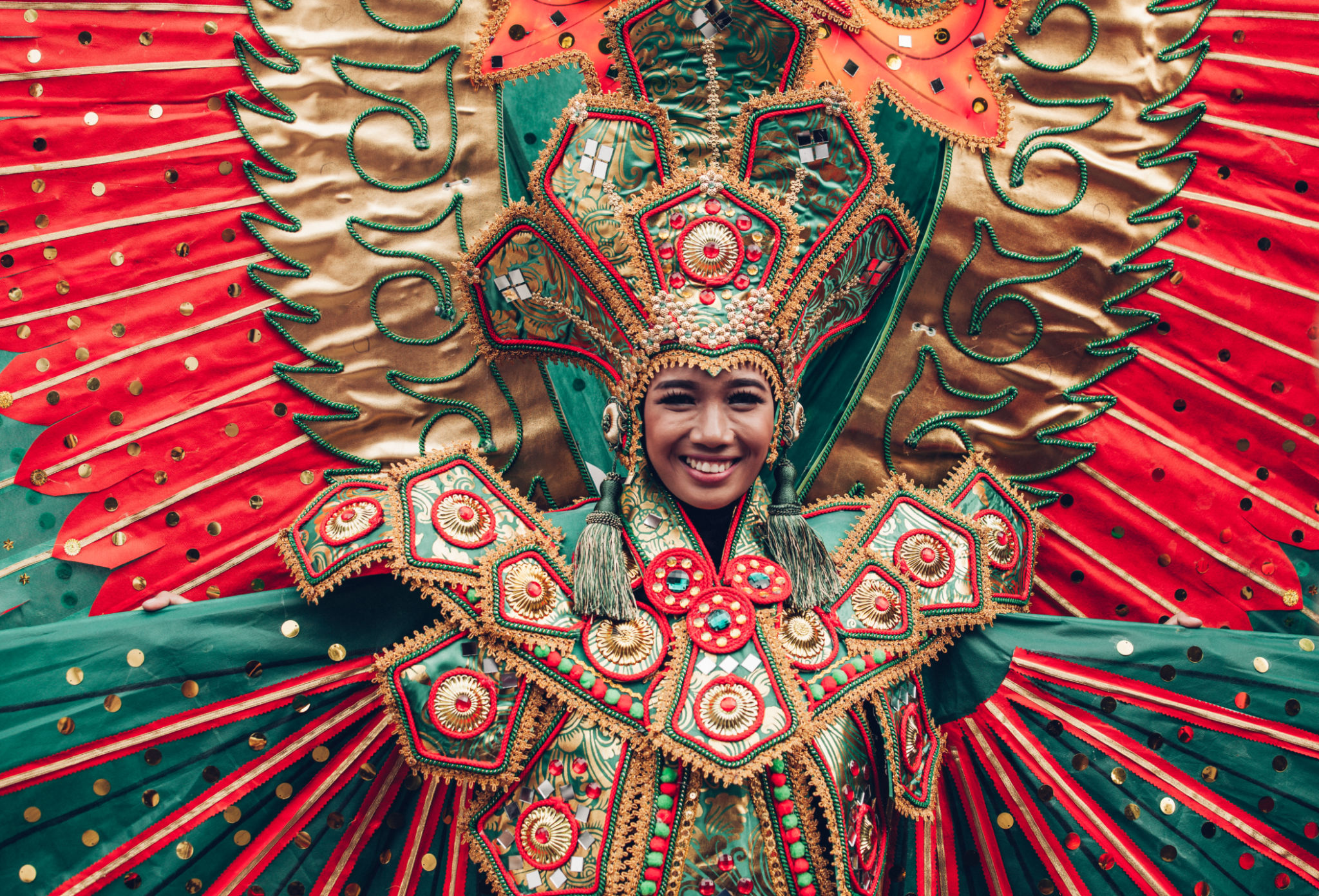
Moreover, cultural festivals and events often use Tagalog to reach a wider audience, promoting understanding and appreciation of Eastern Visayas' rich heritage.
Economic and Social Benefits
Proficiency in Tagalog offers economic advantages. It enables residents to access wider job markets and participate in national economic activities. This linguistic skill helps individuals connect with business opportunities, both locally and nationally.
Socially, Tagalog facilitates greater interaction among different cultural groups, promoting harmony and mutual respect. It acts as a social glue, bringing people together and fostering communal bonds.
Conclusion: Embracing a Linguistic Bridge
In conclusion, Tagalog is more than just a language in Eastern Visayas; it is a vital key that unlocks both cultural understanding and opportunities. Embracing this linguistic bridge not only enriches local culture but also ensures that Eastern Visayas remains connected to the broader Filipino identity.
Through education, media, and daily communication, Tagalog continues to play an essential role in shaping the cultural and economic landscape of Eastern Visayas, ensuring the region thrives in the ever-evolving cultural mosaic of the Philippines.